Why Is Training Important Before You Operate Elevating Work Platform?
Working at height comes with serious responsibilities, and using an elevating work platform (EWP) is no exception. Whether you're working in construction, maintenance, warehousing, or facility management, it's essential to receive proper training before you operate elevating work platform equipment. While these machines are designed to improve efficiency and safety, incorrect operation can lead to accidents, injuries, and costly damage.
At Sheer Workplace Training, we believe that proper training equips operators with the skills and confidence they need to work safely and responsibly. Let's explore why EWP training is so important.
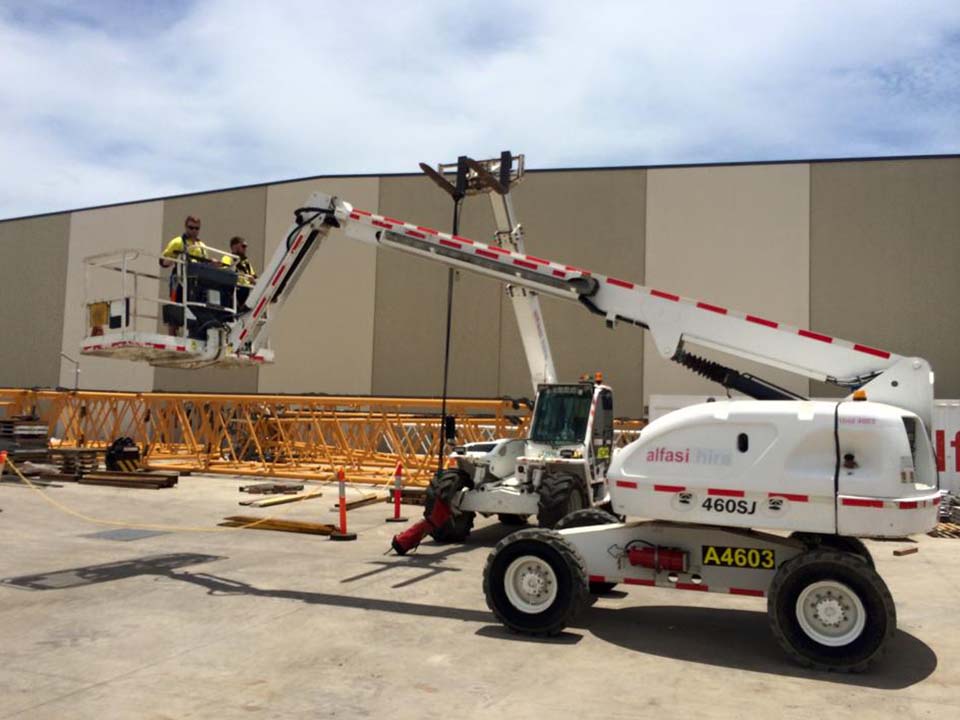
Understanding How an Elevating Work Platform Works
An elevating work platform is a mechanical device used to lift workers, tools, and materials to elevated areas safely. Common examples include scissor lifts, boom lifts, and vertical mast lifts. Although these machines are equipped with advanced safety features, they still require skilled operators who understand how to use them correctly.
Training helps individuals become familiar with machine controls, operating procedures, and the limitations of different types of EWPs. This knowledge allows operators to perform tasks more safely and efficiently.
Reducing the Risk of Workplace Accidents
One of the biggest reasons to complete training before you operate elevating work platform equipment is accident prevention. Working at height always involves risks, but many incidents occur because operators are unfamiliar with the equipment or fail to identify hazards in their surroundings.
A professional training course teaches operators how to inspect the worksite, recognise potential dangers, and position the platform safely. It also covers important topics such as load capacity, stability, safe movement, and emergency procedures. These practical skills help reduce the likelihood of falls, tip-overs, and collisions.
Learning Essential Safety Checks
Before using any EWP, operators should carry out a thorough pre-operational inspection. Training ensures workers know what to check before starting the machine.
These inspections may include examining tyres, hydraulic systems, guardrails, emergency controls, and safety alarms. Identifying faults early helps prevent equipment failure during operation and contributes to a safer work environment.
Developing the habit of performing regular inspections also extends the lifespan of the equipment and minimises unexpected downtime.
Improving Confidence and Productivity
Operating heavy equipment without proper knowledge can be stressful. Training gives workers the confidence to use an EWP correctly in different workplace situations.
Confident operators are better prepared to manoeuvre the platform, work around obstacles, and complete tasks efficiently. They spend less time second-guessing their actions, allowing projects to progress smoothly while maintaining high safety standards.
Well-trained employees also make fewer operational errors, helping businesses reduce repair costs and avoid unnecessary project delays.
Understanding Workplace Responsibilities
Every workplace has safety procedures that employees are expected to follow. Before you operate elevating work platform equipment, it's important to understand your responsibilities as an operator.
Training provides guidance on following workplace safety procedures, conducting risk assessments, wearing appropriate personal protective equipment, and responding effectively during emergencies. It also reinforces the importance of protecting co-workers, nearby pedestrians, and property while working at height.
A safety-first mindset benefits everyone on the job site.
Why Professional Training Makes a Difference
While some people may believe they can learn by observing others, professional training provides structured learning and practical experience that cannot be replaced.
Quality training combines classroom instruction with hands-on practice, allowing participants to gain real-world operating experience under expert supervision. This approach helps operators develop safe habits from the beginning and prepares them for common workplace challenges.
At Sheer Workplace Training, our experienced trainers focus on practical skills, safe operating techniques, and industry best practices to help participants become competent and confident EWP operators.
Conclusion
Before you operate elevating work platform equipment, investing in professional training is one of the smartest decisions you can make. Training not only improves your understanding of the equipment but also helps reduce workplace risks, increase productivity, and promote a strong culture of safety.
Whether you're new to working at height or looking to refresh your skills, choosing a trusted provider like Sheer Workplace Training ensures you receive practical knowledge that supports safe and responsible operation. When operators are properly trained, everyone benefits—from employees and employers to the entire workplace.

Comments
Post a Comment